
Best Skincare for Over 70s: A Simple Routine That Works
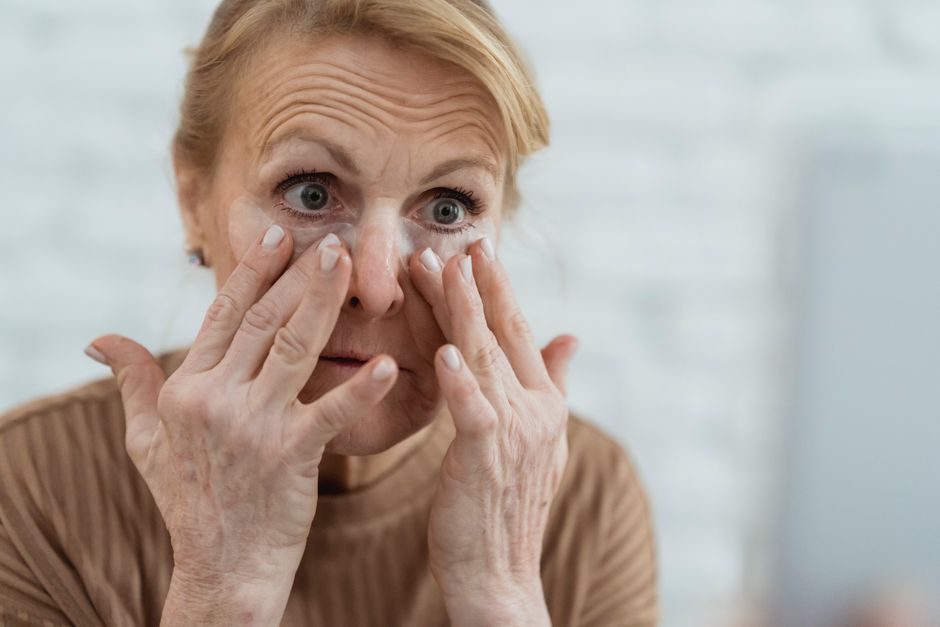
The best skincare for over 70s is a short, gentle routine: cleanse with warm water and a fragrance-free cleanser, apply a rich moisturizer while skin is damp, and protect exposed skin with broad-spectrum SPF 30 or higher. Choose products by skin concern and ingredients, introduce them one at a time, and ask a clinician about unusual bruising or changing skin spots.
What is the best skin care for a 70 year old woman?
The best skin care for a 70 year old woman is gentle, fragrance-free cleansing followed by a moisturizer that suits how dry her skin is. Skin can become thinner and less elastic with age, while oil and sweat production may decrease, according to the National Institute on Aging. A routine built around comfort and the skin barrier is a more useful starting point than choosing a product simply because its label says “anti-aging.”
Keep bathing brief: the American Academy of Dermatology Association (AAD) recommends warm, not hot, baths or showers lasting 5–10 minutes, with a gentle, fragrance-free cleanser. Apply a creamy, fragrance-free moisturizer within 3 minutes of bathing and again during the day if needed. When skin is very dry, an ointment may work better than a cream.
For exposed skin outdoors, the AAD recommends broad-spectrum, water-resistant sunscreen with SPF 30 or higher, plus shade and sun-protective clothing. If indoor air is dry, maintaining humidity between 45% and 60% may help reduce dry, itchy skin. These steps address distinct needs: cleanser limits unnecessary irritation, moisturizer supports hydration, and sun protection covers outdoor exposure.
What is the number one skin care for aging skin?
The number one skin care step for aging skin depends on the concern; there is no single product that fits every person. For dryness, consistent moisturizing is a sensible priority. For daytime outdoor exposure, sunscreen is essential. A simple routine works because it addresses both without adding unnecessary products.
For dry skin, choose a cream rather than a thin lotion, or consider an ointment if dryness is pronounced. The AAD notes that creams and ointments preserve more water than lotions, and that applying moisturizer to damp skin helps trap water. Ceramides and hyaluronic acid are examples of ingredients to look for. “Natural” or organic claims do not guarantee lower irritation risk, and “unscented” can still mean a product contains ingredients that irritate; look for “fragrance-free.”
Ingredient choice can matter more than a broad product category. A study by Simon G. Danby and colleagues compared an emollient containing urea, ceramide NP, and lactate with control conditions in volunteers over 60 with dry skin. After 28 days, the test emollient reduced transepidermal water loss and increased hydration compared with untreated skin. The dry-skin groups included 21 volunteers each, with mean ages of 68–69, so the result supports attention to formulation without proving that one formula is best for everyone.
What is the best skincare brand for older skin?
The best skincare brand for older skin is the one whose specific products meet the person’s needs and are comfortable to use; the provided evidence does not identify a single winning brand. Compare the label, product type, and published information rather than treating age-targeted marketing as proof of suitability. For dry or sensitive skin, fragrance-free products are a practical filter.
The sources provided do not publish brand prices or a brand-by-brand comparison. Use the options below as a product-type comparison, not as endorsements. Cost is listed as “not published” because the cited sources do not supply prices.
| Option | Who it suits | Cost | Key limitation |
|---|---|---|---|
| Gentle, fragrance-free cleanser | People who need a mild wash; use with warm water and brief bathing | not published | Does not replace moisturizer |
| Cream moisturizer | Many people with dry skin who want more moisture than a lotion provides | not published | May be less suitable than an ointment when skin is very dry |
| Ointment moisturizer | People with very dry skin who need a thicker option | not published | Individual comfort and suitability vary; no brand recommendation is provided |
| Broad-spectrum, water-resistant SPF 30 or higher | People protecting exposed skin outdoors | not published | Use alongside shade and sun-protective clothing |
What is a good skin care routine for elderly skin?
A good skin care routine for elderly skin has a few repeatable steps, with packaging and reminders chosen to make follow-through easier. A caregiver can agree on one cleanser and one moisturizer, keep them in easy-to-reach places, and use a written morning-and-evening cue. Fewer steps mean fewer products to track and make it easier to notice which item causes a problem.
- Morning: Cleanse gently if needed, apply moisturizer to dry areas, then use broad-spectrum, water-resistant SPF 30 or higher on exposed skin before outdoor activity. Add shade and sun-protective clothing.
- After bathing: Keep the shower or bath warm and within 5–10 minutes. Apply cream moisturizer within 3 minutes; use an ointment if skin is very dry.
- Evening: Cleanse gently when needed and apply moisturizer. Avoid adding extra steps unless there is a specific reason to do so.
Make new products a controlled change, not a full routine reset. The AAD recommends testing a new product on a quarter-sized area twice daily for 7–10 days before using it more widely. For a cleanser that is normally rinsed off, leave it on the test spot for about 5 minutes or follow its directions. Change one product at a time so a reaction is easier to trace.
Red, itchy, or swollen skin can indicate a reaction. Gently wash the product off and stop using it; the AAD advises seeking a dermatologist’s advice if a severe reaction does not improve with a cool compress or petroleum jelly. A caregiver can note the product and the reaction, then share that information with a clinician.
Dryness and fragility also deserve context. The National Institute on Aging notes that some medicines and chronic conditions, including diabetes and kidney disease, can affect skin; certain antibiotics, cancer therapies, NSAIDs, and diuretics may increase sun sensitivity. Do not change prescribed medicines based on a skin-care concern—ask a clinician or pharmacist about possible effects. The NIA also advises discussing unexplained bruises, especially on areas usually covered by clothing, with a doctor. A new growth, a sore that does not heal, or a bleeding mole warrants medical attention; the AAD says a spot that differs from others, changes, itches, or bleeds should be assessed by a board-certified dermatologist.
One practical weekly check: look over the skin for new or changing areas, check whether the moisturizer is comfortable, and confirm that the daytime sun-protection step is easy to carry out. If persistent symptoms or a concerning lesion appear, arrange medical advice rather than adding another cosmetic product.
Frequently Asked Questions
Which moisturizer helps dry, sensitive skin after 70?
A fragrance-free cream is a practical starting point; a thicker ointment may suit very dry skin. Apply it while skin is still damp after bathing. Ingredients such as ceramides or hyaluronic acid are options to look for, but introduce any new product cautiously.
Should someone over 70 still use sunscreen every day?
Use broad-spectrum, water-resistant sunscreen with SPF 30 or higher on exposed skin when outdoors, alongside shade and sun-protective clothing. Some medicines can increase sun sensitivity, so ask a clinician or pharmacist whether current medicines affect sun protection needs.
How can I tell if a skincare product is irritating thinning skin?
Redness, itching, or swelling can signal a reaction. Gently wash the product off and stop using it; seek a dermatologist’s advice if a severe reaction does not improve with a cool compress or petroleum jelly. Test new products on a small area before wider use.
Sources
- American Academy of Dermatology Association: Skin care in your 60s and 70s
- National Institute on Aging: Skin Care and Aging
- American Academy of Dermatology Association: How to test skin care products
- Simon G. Danby et al., Skin Pharmacology and Physiology (PubMed)
- American Academy of Dermatology Association: How to pick a moisturizer

What Is Relaxation Therapy, and Does It Work?
Relaxation therapy trains the body’s relaxation response and may help anxiety or stress, though evidence varies and it is not a replacement for care.

Where Can I Find Delivery Jobs Hiring in My Area?
Find nearby delivery jobs, compare hiring channels, and verify an opening before you apply or share personal information.

How Do I Evaluate a Live-In Housekeeper Job Before Accepting?
Clarify duties, hours, days off, privacy, and pay in writing before accepting a live-in housekeeper position.