
What Is Relaxation Therapy, and Does It Work?
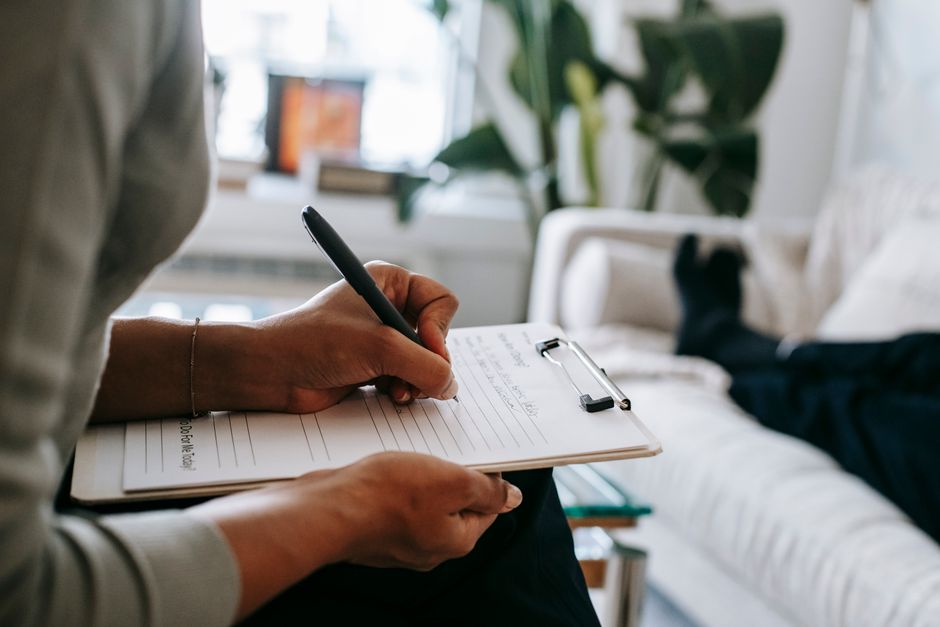
Relaxation therapy is a group of structured practices that train the body’s relaxation response: slower breathing, lower blood pressure and a reduced heart rate. A therapist can teach a method such as applied relaxation, or you can learn many techniques through brief instruction and guided practice. Research supports possible short-term benefits for anxiety and stress, but the strength of evidence varies, and relaxation therapy is often used alongside other care.
What is relaxation therapy, and what happens during it?
Relaxation therapy is a planned way to practice physical and mental skills that help bring about the body’s relaxation response. The National Center for Complementary and Integrative Health (NCCIH) describes that response as slower breathing, lower blood pressure and a reduced heart rate.
During a session, a practitioner may teach a technique, guide you through it and help you notice how your body responds. Applied relaxation is more structured than simply taking a break: NICE describes it as treatment delivered by trained practitioners, usually in 12 to 15 weekly, one-hour sessions for people with generalized anxiety disorder (GAD).
Relaxation therapy overlaps with mindfulness and meditation, but the terms are not interchangeable. Relaxation techniques aim to elicit a specific relaxation response; mindfulness centers on noticing present experience, and meditation refers to a broader set of practices. General stress-management advice can include practical changes to daily routines, but it does not necessarily involve rehearsing a relaxation skill.
Does relaxation therapy work for anxiety or stress?
Research supports possible benefits, especially in the short term, but the evidence is not equally strong across conditions or methods. NCCIH reports that reviews found relaxation therapy can reduce anxiety symptoms, while noting that the quality of evidence varies.
A systematic review and network meta-analysis published in JAMA Psychiatry included 65 randomized trials and 5,048 adults with GAD. Compared with usual care, relaxation therapy was associated with lower symptoms in the short term, but the evidence was rated low certainty. When studies at high risk of bias were removed, the advantage was no longer statistically clear; at 3 to 12 months after treatment, only CBT remained significantly more effective than usual care.
One randomized trial involving 65 adults compared CBT, applied relaxation and a wait-list control. Both active treatments used 12 weekly, one-hour sessions. After treatment, CBT was clearly superior to the wait-list, while applied relaxation was marginally superior; during follow-up, outcomes for CBT and applied relaxation were comparable, but only CBT led to continued improvement.
The findings support a measured conclusion: relaxation therapy can be a useful option or complement, but the evidence does not make it a universal substitute for other treatment. NICE recommends a stepped-care approach for GAD, with care increasing when symptoms or impairment call for it. For people who choose high-intensity psychological treatment, NICE offers a choice of CBT or applied relaxation.
What techniques are used in relaxation therapy?
Common methods differ in what you do and what you pay attention to. NCCIH lists progressive muscle relaxation, autogenic training, guided imagery, biofeedback, self-hypnosis and diaphragmatic breathing among the approaches.
| Technique | What a beginner can expect |
|---|---|
| Progressive muscle relaxation | Tense and release muscle groups in sequence, learning to notice and reduce tension. Applied relaxation can build from this skill toward shorter cues used in everyday situations. |
| Breathing exercises | Practice diaphragmatic breathing by directing attention to a slower, lower breath. NCCIH reports preliminary stress-reduction evidence from a review of three studies involving 880 participants. |
| Autogenic training | Use repeated cues to encourage a calm bodily state. It is a learned practice, so initial instruction can help establish the method. |
| Guided imagery | Follow spoken or written prompts to form calming mental images. The focus is on the guided image rather than tensing and releasing muscles. |
Biofeedback adds information about bodily signals while a person practices regulation. NCCIH reports that a review of 24 studies involving 484 participants found heart rate variability biofeedback helpful for self-reported stress and anxiety. These review findings point to promise, not a guarantee that a method will help every person.
Can I learn relaxation therapy on my own, or do I need a therapist?
Many relaxation techniques can be self-taught after brief instruction, according to NCCIH, while therapist-led applied relaxation follows a more structured course. The choice depends on the goal, the level of distress, comfort with self-guided practice and whether symptoms interfere with daily functioning.
Self-guided audio or written instructions can offer a way to learn basic steps and see how a technique feels. Keep the practice simple: choose one method, follow its instructions, and notice whether it feels manageable. The research sources do not set a single practice schedule or threshold that predicts when self-directed practice will help.
A trained practitioner offers structure, feedback and help adapting the method. NICE’s stepped-care guidance for GAD starts with the least intrusive effective support and escalates care when symptoms or impairment warrant it. For marked functional impairment or an inadequate response to lower-intensity support, NICE recommends offering a choice of high-intensity psychological treatment or medication, guided by the person’s preference.
Practice does not feel calming for everyone. NCCIH notes that some people report increased anxiety, intrusive thoughts or fear of losing control during relaxation exercises. If that occurs, pause or modify the practice and discuss the response with a qualified health professional. NCCIH also advises that relaxation techniques should not replace conventional care.
Frequently Asked Questions
How often do I need to practice before it helps?
The research provided does not establish one practice frequency or a set time to benefit for self-directed exercises. NICE describes applied relaxation for generalized anxiety disorder as a structured course, usually 12 to 15 weekly, one-hour sessions. A routine can be adjusted with a practitioner to fit the method and your response.
Is relaxation therapy as effective as CBT?
The evidence does not show a simple, universal equivalence. A network meta-analysis found short-term symptom improvement with relaxation therapy, but the result was low certainty and not statistically clear after excluding high-risk-of-bias studies; at 3 to 12 months, only CBT remained significantly more effective than usual care. NICE lists CBT and applied relaxation as options for people with GAD who choose high-intensity psychological treatment.
Can relaxation exercises make anxiety or intrusive thoughts worse?
Yes. NCCIH reports that some people experience increased anxiety, intrusive thoughts or fear of losing control during relaxation practice. If this happens, stopping or changing the exercise and discussing the reaction with a qualified practitioner can help guide next steps.
How do I know whether relaxation therapy is enough or I need other treatment?
That depends on symptom severity, the effect on daily functioning and how you respond to support. NICE recommends escalating care when symptoms or impairment warrant it, and offering a choice of high-intensity psychological treatment or medication for marked functional impairment or inadequate response to lower-intensity support. A clinician can help assess those factors; relaxation techniques are not a replacement for conventional care.
Sources
- National Center for Complementary and Integrative Health: Relaxation Techniques
- National Institute for Health and Care Excellence: Recommendations for Generalised Anxiety Disorder
- JAMA Psychiatry: Systematic Review and Network Meta-Analysis
- PubMed Central: Randomized Trial of CBT and Applied Relaxation
Disclaimer: This article is for general information only and is not medical advice. It is not a substitute for diagnosis or treatment by a qualified healthcare professional. Always speak to your doctor before acting on anything you read here.

Where Can I Find Delivery Jobs Hiring in My Area?
Find nearby delivery jobs, compare hiring channels, and verify an opening before you apply or share personal information.
How Do I Evaluate a Live-In Housekeeper Job Before Accepting?
Clarify duties, hours, days off, privacy, and pay in writing before accepting a live-in housekeeper position.