
How Do I Evaluate a Live-In Housekeeper Job Before Accepting?
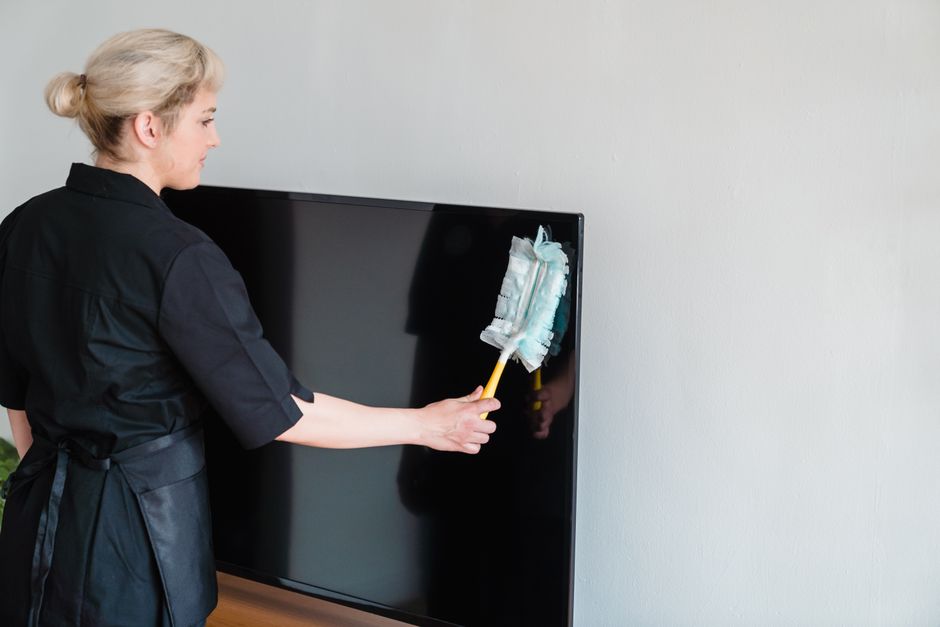
Before accepting a live-in housekeeper position, get the duties, work schedule, breaks, days off, private living space, and pay terms clearly defined in writing. Ask which tasks are included, how extra work is handled, and whether interruptions during sleep or off-duty time count as work. Compare the proposed terms with applicable federal, state, and local rules, since protections and overtime requirements can vary.
What duties are usually included in a live-in housekeeper job?
A live-in housekeeper job commonly centers on cleaning and maintaining the household, but the exact task list should be agreed before work begins. The Bureau of Labor Statistics describes housekeeping-cleaner work as light cleaning, with tasks such as making beds, replenishing linens, cleaning rooms and halls, and vacuuming.
That description is a useful starting point, not a complete job contract. A household could also expect dishes, laundry, shopping, or cooking. Those tasks should be named individually so “housekeeping” does not expand into an undefined list of daily responsibilities.
Make a written inventory with the employer. For each task, clarify which rooms or items are covered, how often the task is expected, and whether it is part of the regular schedule. For example, “laundry” can mean washing and folding household clothing, or it can include ironing and putting items away. A clear list settles the scope before the first workday.
The Department of Labor’s Women’s Bureau sample agreement prompts households and workers to identify tasks such as vacuuming, dusting, mopping, dishes, laundry, cooking, shopping, and other duties. Use that kind of checklist to mark what is included and what is not. A task added later calls for a conversation about time and pay, not an assumption that the original agreement covered it.
How can I find out whether childcare or cooking is also expected?
Ask directly whether childcare or cooking is part of the job, then describe the specific tasks and time each responsibility will take. Do not rely on a general title such as “housekeeper” to settle duties that the employer has not spelled out.
Ask whether cooking means preparing particular meals, planning menus, or shopping for ingredients. For childcare, ask what care is expected and when it occurs. The provided sources do not define a standard childcare package for live-in housekeepers, so the household and worker need to agree on the details rather than assume a universal norm.
Put each added responsibility into the same task list as cleaning. Note whether it happens on set days or only by prior agreement, and whether it changes the normal workday. When a new responsibility takes time away from cleaning or extends the schedule, the agreement should show how the hours and compensation will be handled.
The Women’s Bureau sample agreement is a voluntary discussion tool, not a replacement for employment law. Its value is practical: it asks both sides to settle tasks, hours, pay rates, payment frequency, and benefits in one place. A completed agreement gives each person a shared record to consult when expectations drift.
Will I have set working hours and uninterrupted days off?
You should agree on regular workdays, start and end times, weekly hours, breaks, and days off before accepting. A live-in arrangement describes where you live; it does not by itself explain when you are working or available.
The Department of Labor’s Women’s Bureau form includes fields for workdays, start and end times, total weekly hours, and meal and rest breaks. Use those fields to write an actual schedule. “Flexible” or “available as needed” is not a schedule unless the agreement also explains what counts as work and how changes are handled.
Pay attention to interruptions. The Department of Labor’s Wage and Hour Division says meal, sleep, and other free time can be excluded from paid hours under a reasonable agreement, but time interrupted by a call to duty counts as work. The division states: “If the meal periods, sleep time, or other periods of free time are interrupted by a call to duty, the interruption must be counted as hours worked.”
Ask how those interruptions will be recorded, including overnight calls, and who will update the record. Employers must track hours worked. If actual hours consistently differ from the agreement, the employer and worker must make a new written agreement reflecting the actual hours.
Pay rules depend on the arrangement. The Wage and Hour Division says live-in domestic workers must receive at least the federal minimum wage for all hours worked, while state or local law can require more. A worker employed directly by a household may be exempt from federal overtime rules; third-party-employed live-in workers generally must receive overtime for hours over 40 in a workweek. Confirm which rules apply to the particular job and location.
Use wage benchmarks as context, not a promised rate. The Bureau of Labor Statistics reported a national median hourly wage of $16.08 and a mean of $16.66 for maids and housekeeping cleaners in May 2023. Those figures cover the occupation and do not guarantee a rate for a particular live-in role. Agree on the actual rate, payment method and frequency, overtime treatment where applicable, and any benefits in writing.
Housing needs its own terms. Ask which room is yours, what privacy you can expect, and which household rules apply when you are off duty. The National Domestic Workers Alliance recommends written agreements that cover responsibilities, schedule and time off, wages and benefits, working conditions, communication, privacy, and employment duration. It also advises reviewing the agreement before signing, keeping a copy, and revisiting it when duties or conditions change. Check local and state rules, because written agreements are legally required in some jurisdictions.
Frequently Asked Questions
What should I ask about my room, privacy, and house rules?
Ask which room is yours, whether it is private, and which household spaces or rules apply during off-duty time. Put privacy, communication expectations, and any limits on access to your room in the written agreement. The National Domestic Workers Alliance recommends including working conditions and privacy in that agreement.
How do I clarify extra hours and additional pay before accepting?
Ask how the household will record hours beyond the agreed schedule, how interruptions during sleep or free time will be counted, and what rate applies. The Department of Labor says interrupted meal, sleep, or free time that requires work counts as working time. Confirm the applicable wage and overtime rules for your employment arrangement and location.
Sources
- U.S. Department of Labor, Wage and Hour Division: Live-in Domestic Service Workers
- U.S. Department of Labor, Women’s Bureau: Sample Employment Agreement for House Cleaners
- U.S. Bureau of Labor Statistics: Maids and Housekeeping Cleaners
- National Domestic Workers Alliance: Fair Contracts for Domestic Work

Where Can I Find Delivery Jobs Hiring in My Area?
Find nearby delivery jobs, compare hiring channels, and verify an opening before you apply or share personal information.